
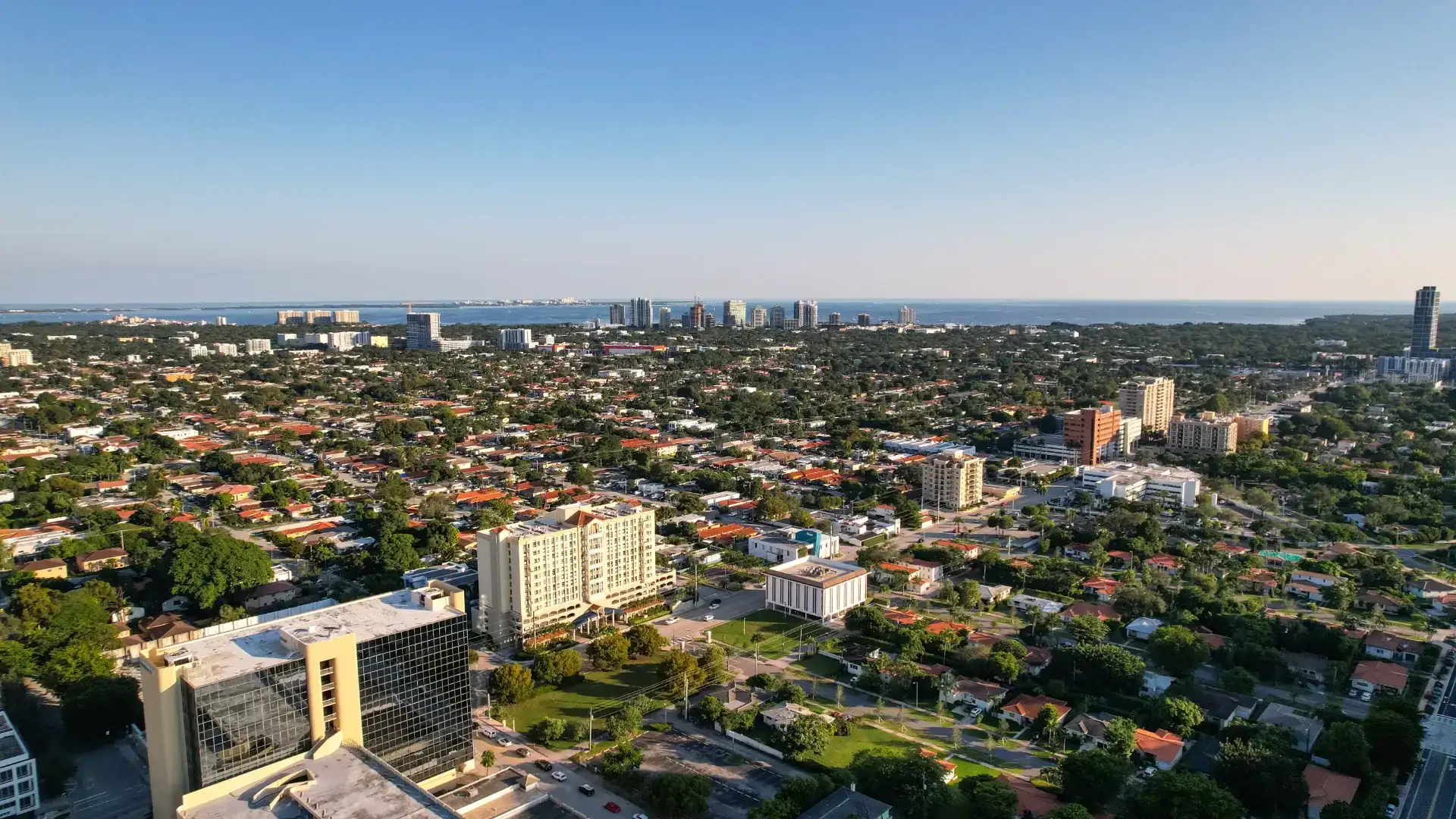
Sell My House Fast in Miami, FL — We Buy Houses for Cash
Get a Fair As-Is Cash Offer Without Listings, Repairs, or Commissions
To sell your house fast in Miami, call or share your address, condition and timing. We buy houses in Miami as-is, prepare a written cash offer, and arrange an available closing date through a settlement professional when title and funding are ready.
Get Your No-Obligation Offer
Sell your house as-is, for cash.
Use our fast response form to receive a fair all cash offer today.
🔒 Secure SSL Submission: Your property details are kept strictly confidential.
Average Call-back in 60 seconds or less 24/7/365
Talk with trusted real estate professionals from MyHouseIntoCash to buy your house fast. We handle all the paperwork and tailor a hassle free closing process to fit your moving plans.
Strictly Confidential & No Obligation
Receive a clear, no obligation offer with zero pressure and zero spam.
Miami market watch
What Miami’s Selling Times Mean for Your Next Move
Reporting period: three months ending August 2026. Geography: Miami city, not all of Miami-Dade County. Source: Redfin’s Miami city housing-market report, retrieved October 7, 2026. Its competitiveness section reports about 113 days to go pending as a separate measure, and a Compete Score of 7 out of 100, described as “not very competitive.”
Those citywide results do not price your house or predict its sale date. They do make holding time worth considering: add your mortgage payments, insurance, taxes and upkeep to a realistic listing plan. A renovated Miami home may justify retail exposure; a property that needs work may benefit from comparing a direct offer before you spend on preparation.
We buy houses in Miami, FL, in their current condition. If you want to sell a house fast in Miami, compare a written offer with the likely net proceeds and timing of a listing. Our home-sale timeline guide explains the difference between marketing time and the closing stage.
Current-condition option
Sell It Exactly as It Sits in Miami
My House Into Cash evaluates your property as it stands. You can request a free cash offer without hiring contractors first. Miami-Dade’s roof-mitigation guidance addresses roof attachments and water protection; these can make a roof project more involved than replacing the visible covering. Give us the condition and any reports you already have, then compare your options before committing to the work.
An as-is sale changes the repair agreement; it does not erase applicable disclosures. Florida’s residential flood-disclosure law requires disclosure at or before contract execution. Share known water history and review the written inspection and cancellation terms. See our as-is selling guide and Miami-Dade hurricane-mitigation guidance.
Older districts, property-specific decisions
Selling a House in Miami’s Neighborhoods
The City’s historic-district inventory documents 1920s houses in Buena Vista, development from 1925 in Morningside, and 1921–1959 buildings in Palm Grove. For an older Miami property, permit records and actual system condition are more useful than a neighborhood label. The scenarios below are examples of seller choices, not measured patterns of distress.
| Neighborhood / District | Housing Profile | Common Challenges We Resolve | Seller Scenario |
|---|---|---|---|
| Buena Vista | The city's Buena Vista historic district documents 1920s-era and later houses in Mediterranean Revival, Mission, Craftsman and Art Deco styles. | Inspection priority: roof and older electrical/plumbing condition, plus the permit history of alterations. A neighborhood defect rate was not verified. | Compare updating an older house with accepting an offer in its present condition. |
| Morningside | The historic district developed from 1925 onward and includes Mediterranean Revival, Art Deco and vernacular houses. | Inspection priority: roof/wind-retrofit documentation and maintenance of older building systems. Address-specific flood exposure needs its own check. | Weigh documented roof work and ongoing carrying expenses against an available cash closing. |
| Palm Grove | The city's district inventory spans 1921–1959, including bungalows, 1930s houses and postwar 1940s–1950s multifamily buildings. | Inspection priority: aging roof, wiring, plumbing and undocumented alterations in older houses or small multifamily buildings; frequency is unquantified. | Consider an as-is exit from an older home or rental when a renovation budget is impractical. |
No neighborhood-wide defect rate was verified. Condition, legal use and sale authority are checked for the individual address. See City building and property records for permits, violations and liens.
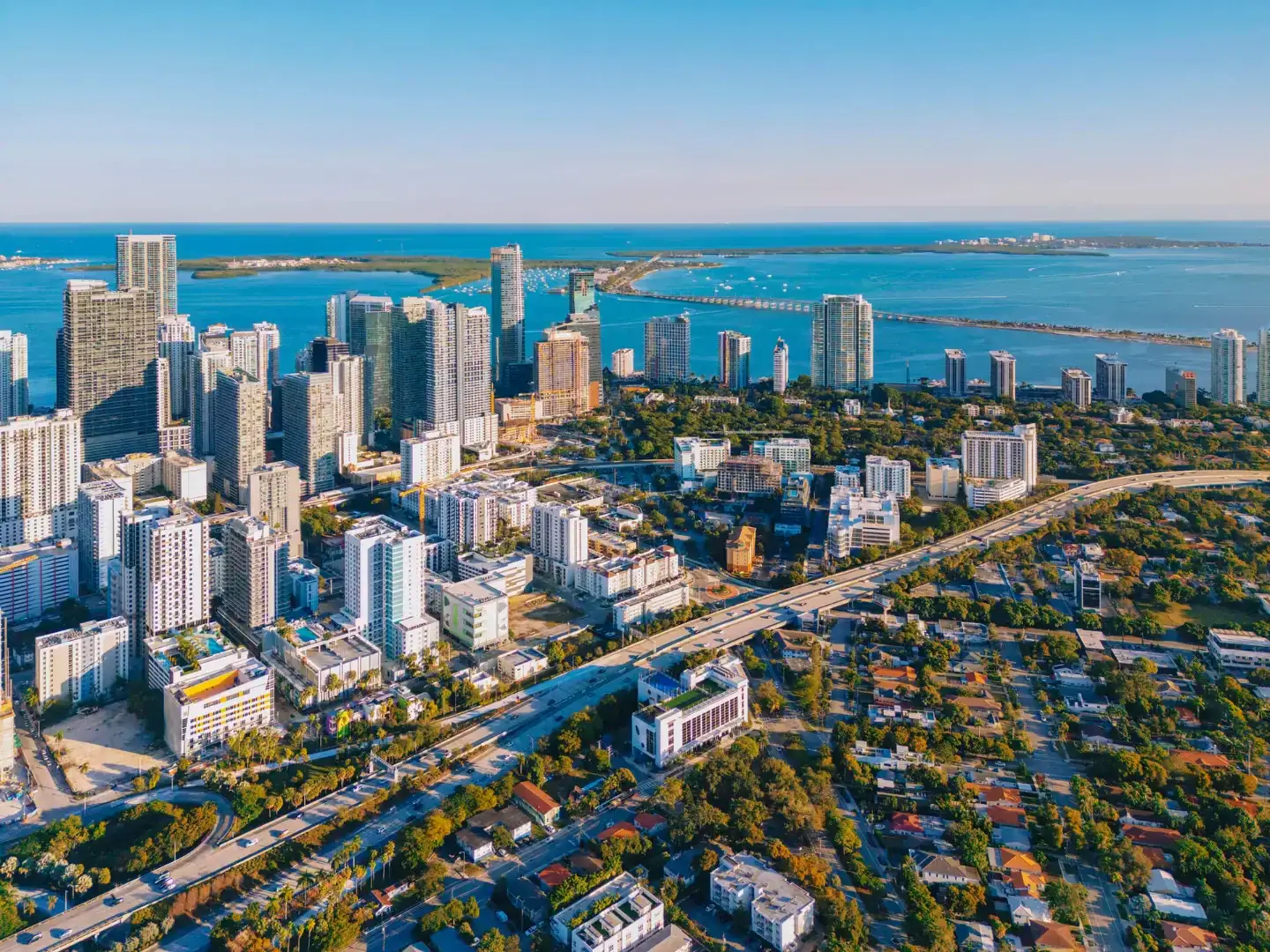
What can change the repair-or-sell decision
Miami Roof, Water and Insurance Issues Worth Checking
Wind uplift and roof connections
On wood-frame or masonry homes with wood-truss roofs, wind uplift can exceed inadequate roof-deck fasteners or roof-to-wall connections. Roof damage can then admit wind-driven rain. Missing covering and ceiling stains may be visible; weak connections may be concealed. FEMA’s South Florida Hurricane Andrew assessment documents this mechanism historically, without establishing today’s Miami defect rate.
Miami-Dade is in the High Velocity Hurricane Zone. Before ordering a reroof, ask a qualified contractor about applicable connection and water-barrier work. County mitigation guidance covers tile, shingle and metal roofs. A cash offer lets you compare a sale with that complete project scope.
Localized water entry and retained moisture
In low-elevation and tidal-influence areas, rainfall can exceed drainage capacity while high groundwater and tidal backflow limit drainage. Lower floors and wall materials can become wet; retained moisture can support mold and damage porous finishes. Look for repeated ponding, lower-wall stains and wet flooring.
The City’s stormwater plan identifies localized projects including Shorecrest South and East Little Havana. This does not assign an entire neighborhood one flood zone. Assess the parcel and its water history, follow EPA cleanup guidance, and disclose known flood information under Florida law.
Four-point inspections and older systems
Citizens requires a four-point inspection for property-owner, dwelling and mobile-home applications on properties more than 20 years old. Its inspection form examines roof, electrical, plumbing and HVAC condition, including leaks, overheating, exposed wiring, double taps and nonworking HVAC or condensate problems.
Single-strand aluminum wiring requires documented remediation by a licensed electrician under Citizens’ guidance. A listed pipe material does not itself establish automatic denial. These are underwriting checks, not a ranking of Miami’s most common defects. A conventional buyer may seek repairs or credits if coverage is difficult; evaluate the actual report before assuming financing will fail.
Roof age, flood coverage and current binding
Under Florida’s roof-age provisions, covered insurers cannot deny or nonrenew solely because a roof is under 15 years old. For older roofs, an inspection showing at least five years’ remaining useful life protects against denial solely on age; other underwriting issues still matter. Citizens’ older-roof requirements also call for at least five years’ remaining life.
For applicable Citizens personal residential policies with wind coverage, flood coverage is required in Special Flood Hazard Areas. Outside them, the published 2026 phase-in applies at Coverage A of at least $400,000 and reaches all values in 2027; condominium unit-owner, tenant-content and wind-excluded policies are exceptions. Check the coverage rules and your carrier before planning a closing.
Dated insurance notice: The supplied October 7, 2026 snapshot records a Citizens statewide suspension of new policies and policy changes effective at 11:05 a.m.; its timezone was not stated. This is a temporary Citizens condition, not a statement that every insurer is suspended or existing policies are canceled. Check current binding alerts before arranging coverage. Citizens is a residual-market insurer; no verified Miami-city market-share claim is made here.
Older construction needs individual verification. The City’s architectural inventory documents wood-frame buildings, concrete block, hollow clay tile, oolitic limestone and a raised frame-vernacular subtype on piers. It does not identify one dominant material or foundation for all Miami homes. Check the original building and later additions rather than assuming the system from the street’s appearance.
Interactive planning tool
AS-IS Repair Cost Estimator
Use this broad planning estimate to compare renovation with selling your Miami home as-is. It is not an inspection, appraisal, contractor quote, MHIC offer or guarantee. The figures below are illustrative U.S.-dollar assumptions, not measured Miami contractor prices.
Miami-Dade roof work may include connection and water-protection requirements described in county guidance. Flood or structural damage can require a scope this tool does not capture. Get specialist bids before relying on a renovation budget.
Actual repair costs vary substantially with scope, materials, labor, permitting, access and concealed damage. Permits, engineering, major structural work, full flood restoration, extensive drainage work and insurance-specific retrofits are excluded. The contingency does not price those exclusions. These figures are not automatic deductions from a cash offer.
Request an As-Is Offer →Compare proceeds and written terms
Cash Sale vs. Traditional Listing in Miami
A traditional sale may produce a higher gross price, but commissions, seller closing costs, repairs, concessions and ongoing holding expenses reduce the amount you ultimately keep. A direct cash sale generally prioritizes speed, certainty and convenience rather than the highest possible gross price.
Miami’s dated city report shows 116 median days on market, with contract-to-closing work still a separate consideration. The practical comparison is your house’s likely proceeds and time to funding, not a claim that every Miami listing follows that median.
| Decision Point | Traditional Listing | Direct Cash Sale with MHIC |
|---|---|---|
| Gross Price | Potentially higher gross price | Usually lower than full retail value |
| Commissions | Agent commission may apply | No agent commission |
| Closing Costs | Seller closing costs may apply | MHIC pays normal closing costs |
| Property Condition | Repairs or buyer credits may be requested | Property sold as-is |
| Contingencies | Financing and appraisal contingencies | No buyer-financing contingency |
| Timeline | Longer and less predictable timeline | Seller selects an available closing date |
The written purchase agreement controls cost allocation, inspection rights, title conditions and available dates. Existing mortgages, unpaid taxes, association balances and other seller obligations are still accounted for when calculating net proceeds. A cash purchase removes the buyer-financing contingency; it does not guarantee title clearance.
Compare Your Estimated Selling Options
Use our adjustable calculator to compare a traditional listing with a direct cash sale using your property’s estimated value and expenses.
Use the Net-Proceeds Calculator →Authority and deadlines come first
Probate, Foreclosure Deadlines, and Complicated Title Situations in Miami
An inherited house needs a verified person who can sign
Florida’s summary administration procedure is a court process. Under the current test, the Florida estate subject to administration, less property exempt from creditor claims, must not exceed $150,000, or the decedent must have been dead for more than two years. The threshold amendment took effect July 1, 2026. For an earlier death or pending case, ask counsel which law governs. Do not subtract every debt and treat the result as automatic eligibility.
A qualifying petition can include real property. The local petition form requests the parcel’s legal description, street address and folio number; homestead status may need a related determination. The personal-property procedure under §735.301 cannot substitute for transferring a house. A qualifying estate still needs court review and an order of summary administration; eligibility alone gives no one authority to sell.
There is no fixed post-death filing delay under the monetary test. The over-two-years alternative applies when the estate exceeds that test, while notice and creditor steps can affect when an order is entered. A will requiring Chapter 733 administration prevents this route. An estate above the test with a death two years ago or less does not qualify under §735.201. Known creditor claims must be addressed; they are not automatically disqualifying.
Under §735.203, a beneficiary or the person nominated as personal representative may petition. The surviving spouse and beneficiaries sign subject to the statutory joinder exceptions; nonjoining beneficiaries receive formal notice. Both resident and nonresident decedents’ estates may qualify. Venue generally follows the resident’s Florida domicile, or the location of Florida property for a nonresident under §733.101; the cited petition provisions do not specify Florida residency for the petitioner.
The relevant court is the Circuit Court of the Eleventh Judicial Circuit in and for Miami-Dade County, Florida — Probate Division. Its Probate Clerk’s physical filing location is Osvaldo N. Soto Miami-Dade Justice Center, 20 NW 1st Avenue, 6th Floor, Room 223, Miami, FL 33128, according to the court’s filing guidance. Courtroom assignments may differ. Our inherited-house guide can help you compare keeping, renting, listing or selling directly.
A purchase offer does not stop a foreclosure
Florida mortgage foreclosure is judicial. The Miami-Dade Clerk describes a civil complaint, recorded lis pendens and summons for each defendant. Its homeowner instructions specify a response within 20 days after service of the summons; different service methods or case circumstances can change the applicable procedure. Check your actual summons with a Florida attorney.
For loans and servicers covered by Regulation X, the first foreclosure notice or filing generally cannot occur until the loan is more than 120 days delinquent, subject to exceptions. This federal pre-filing protection does not promise a sale on day 121. Under §45.031, sale is normally scheduled 20–35 days after final judgment, with later dates permitted by plaintiff consent or court order. That interval is not the length of the entire lawsuit, and no verified default-to-sale average is supplied.
Sale notice may run on a qualifying publicly accessible website for at least two consecutive weeks, or in a newspaper once weekly for two consecutive weeks, with the second publication at least five days before sale. The final judgment contains statutory surplus-proceeds warnings, and the clerk mails copies as provided in §45.031. Mortgage judicial sales are scheduled through the Clerk’s online auction portal, not a private trustee-sale venue.
§45.0315 provides redemption by paying the judgment amount, or before judgment by performing the security agreement including accelerated amounts, expenses and reasonable attorney fees. It does not establish a universal right to reinstate simply by paying missed installments. Ask the servicer for any narrower reinstatement option in writing.
There is no fixed post-sale redemption period. Redemption runs until the later of the filing of the certificate of sale or the time specified in the judgment. The separate 10-day objection period under §45.031 is not an extra redemption window. A direct sale is one possible option if the owner can legally sell and the closer can complete payoffs and funding before the relevant deadline. Read our foreclosure-options guide, while checking deadlines with counsel and the clerk.
Local context: the supplied Clerk monthly figures total 2,271 Miami-Dade mortgage-foreclosure filings in January–July 2026, compared with 1,869 for January–July 2025, a calculated increase of 21.5%. These are county court filings, not completed sales, unique distressed homes or a Miami-city foreclosure rate. Your case documents control your options.
Title clouds are addressed through records and written payoffs
Heirship questions, recorded mortgages, municipal liens and back taxes require parcel-specific review. The Miami-Dade Clerk of the Court and Comptroller — County Recorder’s Office, Official Records is at the same Justice Center, 20 NW 1st Avenue, Suite 5.246, Miami, FL 33128. A land-record search does not replace City permit and code checks. The Building Department and Unsafe Structures Division handle relevant building records; the Department of Code Compliance, 305-416-2087, handles City code cases. Confirm the correct municipality for the address.
My House Into Cash provides a direct purchasing option, not legal, tax, probate, financial or foreclosure-defense advice. Consult a qualified attorney, court clerk, tax collector or tax professional for your circumstances. An offer cannot guarantee foreclosure postponement, probate approval, lien removal, tax forgiveness or clear title.
Use the actual parcel payoff
Miami-Dade Taxes and the Amount You Keep
The Office of the Miami-Dade County Tax Collector, headed in the supplied October 7, 2026 snapshot by Dariel Fernandez, collects real-estate taxes. Unpaid annual taxes generally become delinquent April 1 following the tax year. Before a tax-certificate sale, §197.172 sets 18% annual interest, with a statutory minimum 3% charge for payment before that sale; advertising and other authorized charges can apply.
After the certificate sale, interest follows the auction bid rate and statutory calculations. Do not assume every certificate earns 18%. A tax certificate represents a first lien for unpaid taxes and related charges, not an immediate deed to your home. Request the actual balance from the Tax Collector so your closing estimate addresses the obligation rather than guessing at it.
Miami-Dade’s deed documentary stamp tax is $0.60 per $100 or fraction of consideration. A $0.45-per-$100 surtax also applies unless the document transfers only a single-family dwelling, according to the Florida Department of Revenue. Property classification matters to the closing statement. MHIC’s normal-closing-cost policy belongs in the written contract; it does not forgive your existing taxes or mortgage.
For your home sale, ask the closer to show the offer price, ordinary transaction charges paid by MHIC, loan and tax payoffs, association obligations and the final amount payable to you. A headline cash offer and the net wire are different figures.
From contract to proceeds
What Happens Between Accepting Your Cash Offer and Getting Paid in Miami?
Florida closings may be handled by a title company or a real estate attorney; an attorney is not universally required as the closing agent. The Florida Bar’s consumer guidance explains title and closing protections. Miami-Dade custom described by a local title provider generally puts owner’s title-policy payment and title-company choice with the buyer, but the purchase contract can change both. An owner’s policy and a lender’s policy protect different covered interests.
Illustrative accelerated workflow: The day labels below are planning targets for a straightforward file, not statutory deadlines or a five-day funding promise. Probate authority, municipal records, association documents, payoffs, insurance availability and banking cutoffs may require more time. Confirm an available date with the appointed closer before making moving plans.
Day 0: Finalize the mutual purchase agreement
Confirm the buyer, cash offer, as-is condition, available closing date, access, items left behind, disclosures and cancellation terms. The direct MHIC purchase has no agent commission and MHIC pays normal closing costs under the written terms. Record how existing seller obligations and any exceptions affect proceeds. Complete the required residential flood disclosure at or before contract execution.
Days 1–2 target: Search title and municipal records
The appointed settlement professional examines the chain of deeds, mortgages, recorded liens, judgments, lis pendens and releases in Official Records, then addresses the title commitment’s exceptions. For City properties, review municipal liens, violations, permits and building microfilm. Check taxes and certificates with the Tax Collector.
For association property, request the relevant estoppel: an HOA certificate under §720.30851 or a condominium certificate under §718.116. For inherited property, confirm the probate order, any homestead determination and who can execute the deed. These documents may take longer than the target window.
Days 2–4 target: Obtain payoffs and satisfy title conditions
Request written mortgage payoffs, current tax and certificate balances, association amounts and releases for recorded claims. Work through any necessary probate or municipal requirements rather than assuming a lien vanishes when the property sells. Reconcile the purchase price and deductions on the proposed settlement statement. The Tax Collector’s delinquency guidance explains why the actual payoff can include more than the original tax bill.
Day 5 or the confirmed available date: Sign, record and receive proceeds
A warranty deed, often a general warranty deed in an ordinary private sale, follows §689.02; the contract and seller’s legal capacity determine the actual instrument. Quitclaim and fiduciary deeds do not give identical warranties.
The conveying owner or authorized representative signs with two subscribing witnesses; the local Recorder’s instructions specify unrelated witnesses. Obtain a recordable acknowledgment or sufficient proof of execution, normally through a notary, and include printed witness names and post-office addresses under §695.26. For a married owner’s homestead, spousal joinder can be required even when only one spouse is on title.
The deed is submitted to the County Recorder, including approved-vendor electronic recording where appropriate. A settlement agent can wire net proceeds as described in Old Republic’s seller escrow checklist, after funds are received and closing conditions are satisfied. Signing alone does not guarantee immediate disbursement. Confirm the recording and funding status with your closer.
Signing from elsewhere: In-office signing or Florida-compliant remote online notarization may be available subject to the closer’s procedures and any applicable lender restrictions. Online notarization requires a secure electronic journal and prescribed audio-video retention of at least ten years for ordinary online notarizations. The Governor’s manual recommends, but does not mandate, a conventional notary journal; state guidance treats a thumbprint as voluntary, with refusal alone not grounds to refuse notary service. Coordinate the approved process before scheduling travel.
Independent title reference: Old Republic Title’s Miami agency-service office is at 9850 Northwest 41st Street, Suite 300, Doral, FL 33178; 305-459-2640. It is a candidate contact, not a verified MHIC partner or an appointed closer. Direct closing-service availability must be confirmed. Keep electricity-service arrangements separate from the title review: FPL serves Miami, but service must be confirmed for your address, and this page makes no claim that an ordinary electric bill is a title lien.
Google map and a 75-mile planning radius
Miami and Nearby Communities Where You Can Request an Offer
Our Miami page uses a 75-mile straight-line planning radius from the supplied Census city centroid, 25.7752274, -80.2088142. It is a regional reference rather than driving distance or automatic approval for every property. Select a community or a residential ZIP below to explore the Google map and check its reference-point distance; send the full address to confirm availability.
Showing the Miami regional overview. Select a community or ZIP for a distance reference.
The Google map is interactive and does not draw a service-boundary circle. Distances use Census reference points and a great-circle calculation, not a street-address geocode. Municipality names and coordinates come from the Census BAS24 Florida place list; ZIP-area reference points use the 2024 Census Gazetteer. Check the exact mailing address with USPS ZIP Code Lookup.
For broader Florida coverage, visit our Florida cash home buyers page. If you are comparing cash buyers for houses in Miami, ask about the individual address and the buyer’s written closing terms.
Terms in Florida paperwork
Miami Real Estate & Legal Terms Homeowners Should Know
- Lis pendens
- A recorded notice of a pending property lawsuit. Miami-Dade mortgage foreclosure begins with a complaint and recorded lis pendens; a seller's closing requires review of the pending claim. Official reference →
- Summary administration
- Florida's court-ordered simplified probate route for a qualifying estate under the current $150,000 statutory test or when the decedent has been dead more than two years. Official reference →
- Tax certificate
- A lien representing delinquent property taxes and associated charges. A Miami-Dade seller must address it in the title/payoff work; issuance is not an immediate transfer of ownership. Official reference →
- High Velocity Hurricane Zone (HVHZ)
- The Florida building-code region covering Miami-Dade and Broward counties, with enhanced wind-resistance requirements relevant to roof, window and other envelope work. Official reference →
- Miami-Dade deed surtax
- The additional $0.45 per $100 of consideration, on top of the county's $0.60 deed tax, unless the document transfers only a single-family dwelling. Property classification affects the closing tax. Official reference →
- Association estoppel certificate
- An HOA or condominium association's statutory statement of payment obligations and other required information, used to establish amounts to address at closing; the governing HOA and condominium statutes differ. Official reference →
Miami seller questions
Frequently Asked Questions About Selling a Miami House
Which residential ZIP codes are covered in Miami and the surrounding area?
For Miami and the surrounding service region, use these residential delivery ZIPs. The list covers Miami-Dade and Broward residential ZIP areas, plus nearby Palm Beach County and Upper Keys ZIP areas whose Census reference points fall within 75 straight-line miles of Miami’s supplied city centroid. ZIP boundaries cross municipal lines, and an entire ZIP is not guaranteed to fall within the radius.
Miami-Dade County: Miami and surrounding communities:
33010, 33012, 33013, 33014, 33015, 33016, 33018, 33030, 33031, 33032, 33033, 33034, 33035, 33054, 33055, 33056, 33109, 33122, 33125, 33126, 33127, 33128, 33129, 33130, 33131, 33132, 33133, 33134, 33135, 33136, 33137, 33138, 33139, 33140, 33141, 33142, 33143, 33144, 33145, 33146, 33147, 33149, 33150, 33154, 33155, 33156, 33157, 33158, 33160, 33161, 33162, 33165, 33166, 33167, 33168, 33169, 33170, 33172, 33173, 33174, 33175, 33176, 33177, 33178, 33179, 33180, 33181, 33182, 33183, 33184, 33185, 33186, 33187, 33189, 33190, 33193, 33194, 33196.
Broward County: southern and northern nearby communities:
33004, 33009, 33019, 33020, 33021, 33023, 33024, 33025, 33026, 33027, 33028, 33029, 33060, 33062, 33063, 33064, 33065, 33066, 33067, 33068, 33069, 33071, 33073, 33076, 33301, 33304, 33305, 33306, 33308, 33309, 33311, 33312, 33313, 33314, 33315, 33316, 33317, 33319, 33321, 33322, 33323, 33324, 33325, 33326, 33327, 33328, 33330, 33331, 33332, 33334, 33351, 33441, 33442.
Nearby Palm Beach County residential areas:
33401, 33403, 33404, 33405, 33406, 33407, 33408, 33409, 33410, 33411, 33412, 33413, 33414, 33415, 33417, 33426, 33428, 33430, 33431, 33432, 33433, 33434, 33435, 33436, 33437, 33444, 33445, 33446, 33449, 33460, 33461, 33462, 33463, 33467, 33470, 33472, 33473, 33480, 33483, 33484, 33486, 33487, 33493, 33496, 33498.
Upper Keys residential areas:
33036, 33037, 33070.
PO-box-only and unique institutional/business ZIPs are excluded, as are directory entries without an identified residential population. Residential classification and population were cross-checked against the Miami-Dade, Broward, Palm Beach and Monroe ZIP directories on October 8, 2026. Census ZIP Code Tabulation Areas are geographic approximations, not a complete current USPS address file. A ZIP near the edge or absent from the list should be checked by full address; omission does not mean a property cannot be considered. Use USPS for the mailing ZIP.
How can I sell my house fast in Florida?
Share your property address, condition and timing with a buyer, obtain a written offer, compare net proceeds with listing, and have an authorized settlement professional handle title and closing. In Miami, municipal records, tax balances and any association estoppel can affect the available date. A cash offer removes buyer-financing underwriting; it does not bypass ownership or title requirements.
Can I sell my house for cash in Miami without repairs?
Yes. MHIC evaluates a Miami home in its current condition, including known roof, water or system issues. You can compare the offer with repair-and-list costs before deciding. Share known problems and complete applicable disclosures, including Florida’s residential flood disclosure at or before contract execution.
Are home prices in Miami dropping?
The supplied Miami city report for the three months ending August 2026 shows an all-home-types median sale price of $649,570, up 2.3% year over year. That period does not show a declining city median. It does not establish a trend for every neighborhood, condo, single-family home or later month. Use recent comparable sales for your property type when comparing offers.
Is it a good time to sell a house in Florida right now?
The answer depends on your property and plans. Miami’s dated August 2026 report combines a higher year-over-year median price with 116 median days on market and low competition. A ready-to-list home may justify retail exposure; a repair-heavy home or a fixed moving deadline may favor comparing an as-is offer. Those Miami results do not describe all Florida markets or guarantee today’s outcome.
How do I compare cash home buyers in Miami?
Ask for buyer identity, evidence of funds, the written price, deposit, inspection and cancellation terms, cost allocation, assignment terms and the appointed closer. Compare actual net proceeds and a feasible funding date. Miami-Dade recorded claims, City permit or lien issues, and association estoppels should appear in the closing review where applicable.
Can I sell my Miami house as-is if it has flooding or an older roof?
You can request an as-is offer with known water or roof issues. Miami’s drainage exposure varies by parcel, and roof age alone does not establish every insurer’s eligibility decision. Share repair reports and water history, and complete applicable flood disclosures. The buyer still evaluates condition; as-is does not itself guarantee acceptance or waive title requirements.
Can Florida summary administration transfer an inherited Miami house?
A qualifying summary-administration proceeding can include real property, but it requires court review and an order. The current statutory test is no more than $150,000 for the Florida estate subject to administration less property exempt from creditor claims, or a death more than two years ago. Other conditions, creditors, homestead and signing authority still matter. Confirm the governing law for an earlier death or pending case with probate counsel.
Can a cash sale stop a Miami-Dade foreclosure auction?
An offer does not stop the auction. A sale may be possible if the owner has authority and the closer can complete the transaction before the relevant deadline. Florida mortgage foreclosure is judicial; check your summons, judgment, actual sale date and redemption deadline with a qualified attorney and the clerk. No foreclosure postponement is promised.
Who pays normal closing costs in a direct MHIC purchase?
MHIC pays normal closing costs under the written agreement, and a direct purchase has no agent commission. Existing mortgages, unpaid taxes, association balances and recorded claims remain part of the seller’s payoff calculation. Miami-Dade deed taxes and any applicable surtax belong on the settlement statement; check the actual net amount before accepting.
How quickly can a Miami cash sale close?
The available closing date depends on title, authority, municipal checks, payoffs, association documents, insurance where needed and cleared funding. The accelerated workflow on this page is illustrative, not a guaranteed five-day closing. Ask the appointed settlement professional to confirm the date for your property before arranging a move.
Can I request an offer for a condo, rental or small multifamily property?
MHIC reviews residential property types across Miami-Dade County, including houses, condominiums, rentals and small multifamily properties of up to six units. Share the legal unit count, occupancy and known condition. Miami’s Palm Grove district includes documented older small multifamily buildings, but the permit and legal-use records for your address control. For a condo or HOA property, the closer also reviews the applicable association estoppel. Eligibility is confirmed for the individual property.
Get a Cash Offer for Your Miami House
Send the address, known condition and your preferred timing. We will explain the written offer so you can compare it with listing, repairing or keeping the property. For inherited homes, share the ownership and probate information available to you; authority is confirmed before closing.
Request My No-Obligation Cash Offer →Or call (866) 651-6617.
Primary homeowner sources
Official Miami Homeowner Resources
Use the office and record for your parcel. Court filing locations, officeholders and insurance notices can change; verify the current instructions before acting.
- Eleventh Judicial Circuit of Florida — Probate Division ↗
- Miami-Dade Clerk of the Court and Comptroller — County Recorder's Official Records ↗
- Miami-Dade County Property Appraiser — Property Search ↗
- Office of the Miami-Dade County Tax Collector — Real Estate Tax Payments ↗
- City of Miami — Building and Property Information, permits, liens, violations and building records ↗
- City of Miami — Department of Code Compliance, staff contacts ↗
- City of Miami Resilience and Public Works — Stormwater Master Plan ↗
- Florida Statutes §735.201 — Summary administration; nature of proceedings ↗
- Florida Statutes §702.01 — Equity ↗
- Florida Power & Light — Electric Tariff, Section 3, service territory ↗